While a structure is dried, cleaned, and repaired, the belongings inside often need to be handled separately — moved somewhere safe, cleaned in a controlled environment, and tracked every step of the way. That process is called a pack-out, covering everything from furniture and electronics to clothing and sentimental items. Done properly, it protects belongings from lingering smoke odor and ongoing repair work, and creates the documentation an insurance claim needs.
Signs You Need a Contents Pack-Out
A pack-out is usually warranted when:
- Repair or reconstruction will make a room unusable or unsafe for a period of time
- Contents show smoke odor or soot needing specialized off-site cleaning
- Firefighting water reached areas where furniture or belongings are stored
- The property needs to be fully vacated during structural drying or major reconstruction
Even in a partial loss, packing out the affected rooms is often more practical than cleaning everything in place around ongoing repairs.
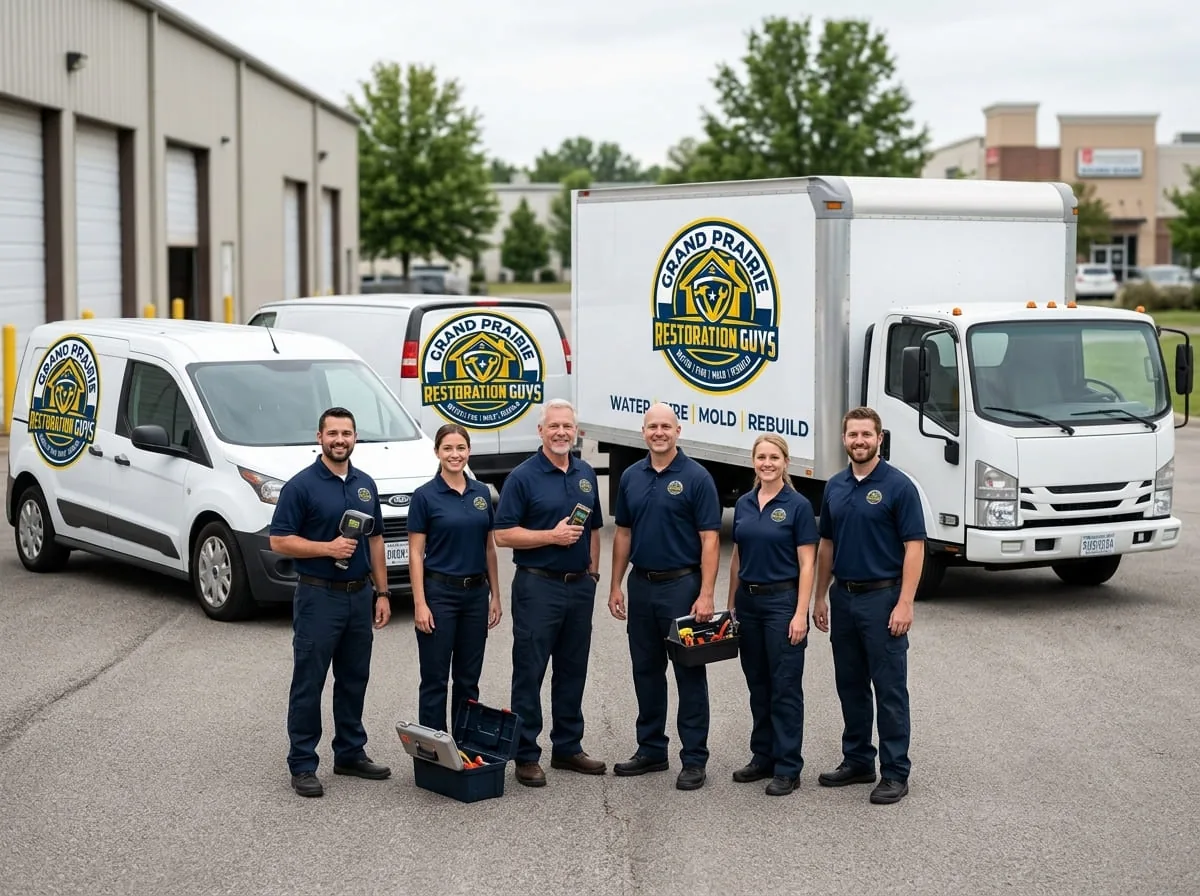
The Pack-Out Process
How a Pack-Out Works
- Inventory — cataloging items with photos and descriptions before anything is moved, creating a documented record for the insurance claim
- Sorting — separating items by the level of cleaning or restoration they need, from light cleaning to specialized treatment to items that likely can't be restored
- Packing and transport — carefully packing and moving items to a secure, climate-controlled facility away from the active job site
- Cleaning and treatment — cleaning smoke, soot, or water damage from individual items using methods matched to the material
- Storage — holding cleaned items securely until the property is ready for move-back
- Pack-back — returning belongings once repairs and reconstruction are complete
What Can Be Saved vs. What Can't
What Often Cleans Up
Furniture, electronics, and hard goods often clean up well with specialized techniques, even after significant smoke or soot exposure. Documents and photographs can sometimes be professionally restored or digitized, depending on the extent of damage.
The Harder Cases
Heavily saturated soft goods, items with deep smoke penetration, and anything exposed to prolonged water damage without fast extraction may not be fully restorable — that's determined item by item during sorting, not assumed across the board. No process can guarantee every item will be saved; some sentimental or fragile belongings may not survive severe fire or water exposure no matter how fast the response.
Residential and Commercial Pack-Out
For a home, pack-out often centers on furniture, clothing, and sentimental items, handled with extra care given how personal those losses feel. For a business, it can involve office furniture, files, inventory, and equipment, often at a larger scale with tighter documentation tied to a commercial claim — see the commercial fire damage restoration page for more.
Before Help Arrives: What to Avoid
- Don't move large amounts of belongings out of a structure that hasn't been cleared for entry
- Don't clean smoke- or soot-covered items yourself before they're documented — once moved or altered, it's harder to establish condition for the claim
- If safe, photograph particularly important or sentimental items from outside the affected area so the pack-out team can prioritize them
- Leave salvageability decisions to the pack-out professionals rather than assuming an item is a loss — or assuming it's fine — without a proper assessment
Frequently Asked Questions
Why can't my belongings just be cleaned in place?
Ongoing structural drying, repair, and reconstruction work often makes it unsafe or impractical to clean and store items inside the property. Moving them to a controlled off-site facility protects them from further exposure to dust, moisture, and construction activity while repairs are underway.
How are my belongings tracked during a pack-out?
A thorough inventory with photographs and descriptions is created before anything is moved, giving both you and your insurer a documented record of what was packed out, its condition, and where it's being stored.
Will every item come back after cleaning?
Most items can be successfully cleaned and returned, but not everything is restorable — heavily saturated soft goods or items with deep smoke penetration sometimes can't be fully recovered. That's assessed item by item rather than guaranteed for every belonging.
How long are belongings kept in storage during a pack-out?
It depends on how long structural repairs and reconstruction take. Items are typically held in a secure, climate-controlled facility until the property is ready for move-back, then returned as part of the pack-back process.
Does pack-out cost extra on top of the restoration work?
Pack-out and contents cleaning are typically billed as part of the overall fire damage claim, and many homeowners' and commercial policies cover this as part of the restoration process — confirm the specifics with your insurer.