
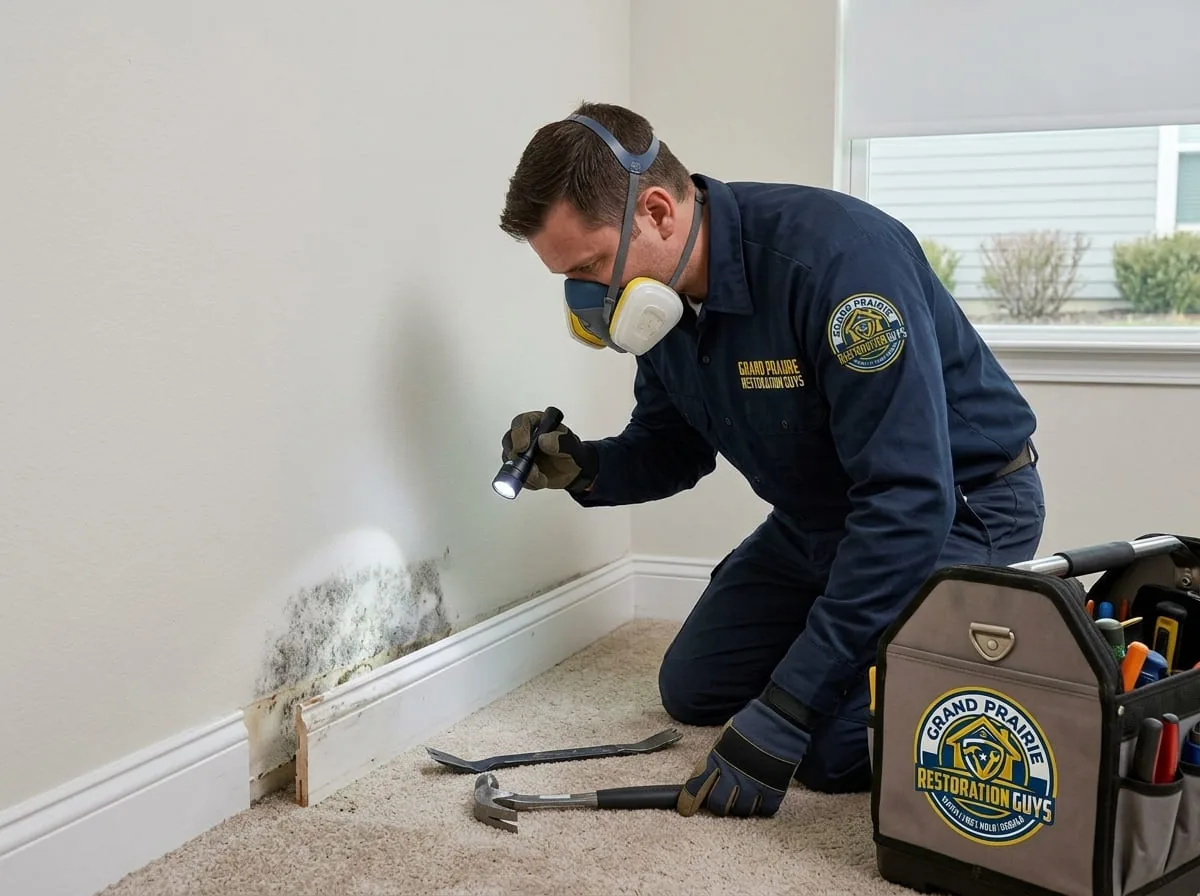
Mold testing adds specific information beyond what a visual inspection alone can tell you. Collecting and analyzing air or surface samples can identify the type of mold present, confirm whether elevated airborne levels exist, or verify that remediation actually resolved the problem.
Types of Mold Sampling
- Air sampling — measures mold spore levels in the air, often compared against an outdoor sample from the same day to establish a baseline
- Surface sampling (tape lift or swab) — collects material directly from a visible growth area to identify the species present
- Bulk sampling — a small physical piece of an affected material submitted for analysis
Which method makes sense depends on the question you're answering — identifying a visible growth, checking for hidden contamination, or confirming a completed remediation project.
When Testing Is Worth Adding to an Inspection
Testing isn't automatically part of every mold situation — it adds value when there's a specific reason to identify what's present, such as a health concern, a real estate transaction, an insurance dispute, or confirming a completed remediation project met its goal. For a straightforward, visibly contained problem, a visual inspection alone is often enough.
How Samples Are Analyzed
Samples collected on-site go to an independent laboratory rather than the technicians doing the remediation work. Keeping collection and analysis separate helps ensure the results reflect an outside, objective assessment rather than the judgment of whoever is bidding on or performing the work.
What a Testing Report Tells You
A lab report typically identifies the mold types detected and, for air samples, compares indoor spore counts against an outdoor control sample from the same day. That comparison matters since some mold spores are normal in indoor and outdoor air everywhere — the question is whether indoor levels are elevated relative to that baseline.
Testing Before vs. After Remediation
Pre-remediation testing helps define a project's scope and identify what's present. Post-remediation testing — sometimes called clearance testing — confirms afterward that the completed work resolved the problem, typically by comparing new samples against the pre-remediation results or an outdoor baseline.
What to Expect During Sample Collection
Sample collection is quick and minimally disruptive — an air pump runs for a set period in the room being tested, while surface samples are taken with a swab or piece of tape. It doesn't typically require leaving the property or disrupting activity in unaffected rooms.
Frequently Asked Questions
Is mold testing required before remediation can start?
No. Many remediation projects proceed based on a visual inspection alone when the cause and extent of the mold are clear. Testing is added when there's a specific reason to identify species or confirm airborne levels.
How long does it take to get testing results back?
Turnaround depends on the lab handling the analysis, but results are typically not immediate — sample collection happens on-site, with results following once the lab completes its analysis.
Can I do a DIY mold test kit instead?
Store-bought kits can pick up mold spores that are present in nearly every indoor and outdoor environment at low levels, which can make results hard to interpret without a proper baseline comparison and professional analysis.
Does testing tell me if the mold is dangerous?
Testing identifies what species are present and at what levels, which supports a more informed assessment, but it's not a substitute for professional judgment about the specific situation.
Do I need testing in every room, or just the affected one?
This depends on the situation. A single, clearly contained growth area may only need a sample from that spot, while concerns about spread to other rooms or a whole-building air quality question may call for sampling in multiple locations.