
"Mold testing" gets used loosely to describe several different things, and "clearance" is often misunderstood entirely. Here's a plain, accurate walk-through of what each step actually involves — without pretending there's one universal method, lab, or number that applies to every situation.
Inspection and Testing Are Different Things
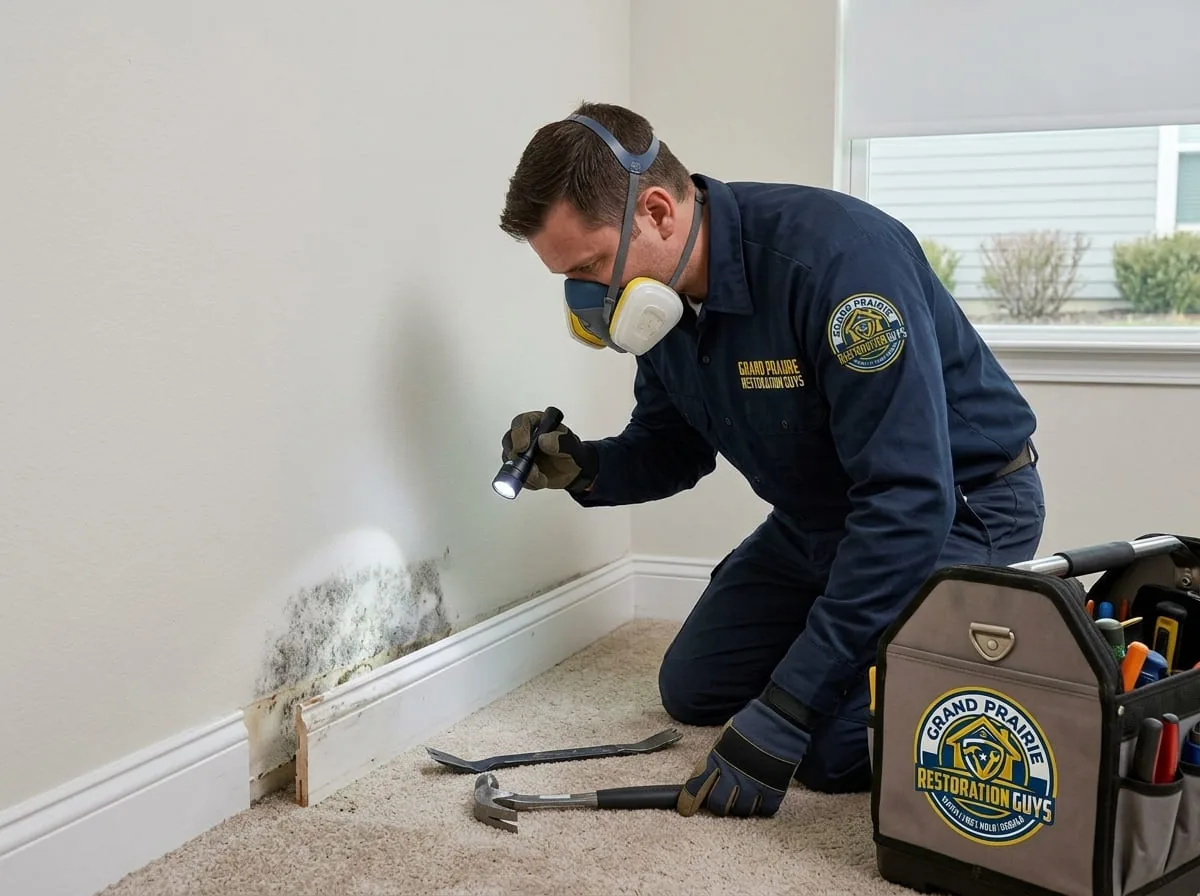
A mold inspection is primarily a visual and moisture-based assessment — looking for visible growth and water staining, and using moisture meters to identify damp areas that could be supporting hidden growth, often paired with a general assessment of airflow and humidity.
Testing Means Collecting Samples
Testing (or sampling) is a separate step involving physical samples — usually air samples or surface samples (tape lifts or swabs) — to identify what's present, sometimes compared to a reference sample. Not every situation requires both: an inspection alone is often sufficient when growth is visible and the source is known.
Why Sampling Isn't Always Necessary
When mold is visibly present and the moisture source is identified, remediation can typically proceed based on the visual assessment alone — there's often no practical need to identify the species before removing it, since standard remediation practices address mold growth generally rather than differing by species. Sampling becomes more useful when there's a suspected problem with no visible growth, a dispute about whether a cleaned area is actually clear, or documentation for a legal, real estate, or insurance purpose that calls for it.
What Happens to Samples That Are Collected
Air and surface samples are typically sent to an independent, accredited lab, separate from whoever performed the sampling — keeping the assessment independent from the interpretation. The lab identifies and, for air samples, quantifies what's present, then compares it against a reference sample (often outdoor air, or an unaffected area of the same building) to see whether indoor conditions are elevated relative to a normal baseline for that property.
What "Clearance" Actually Means
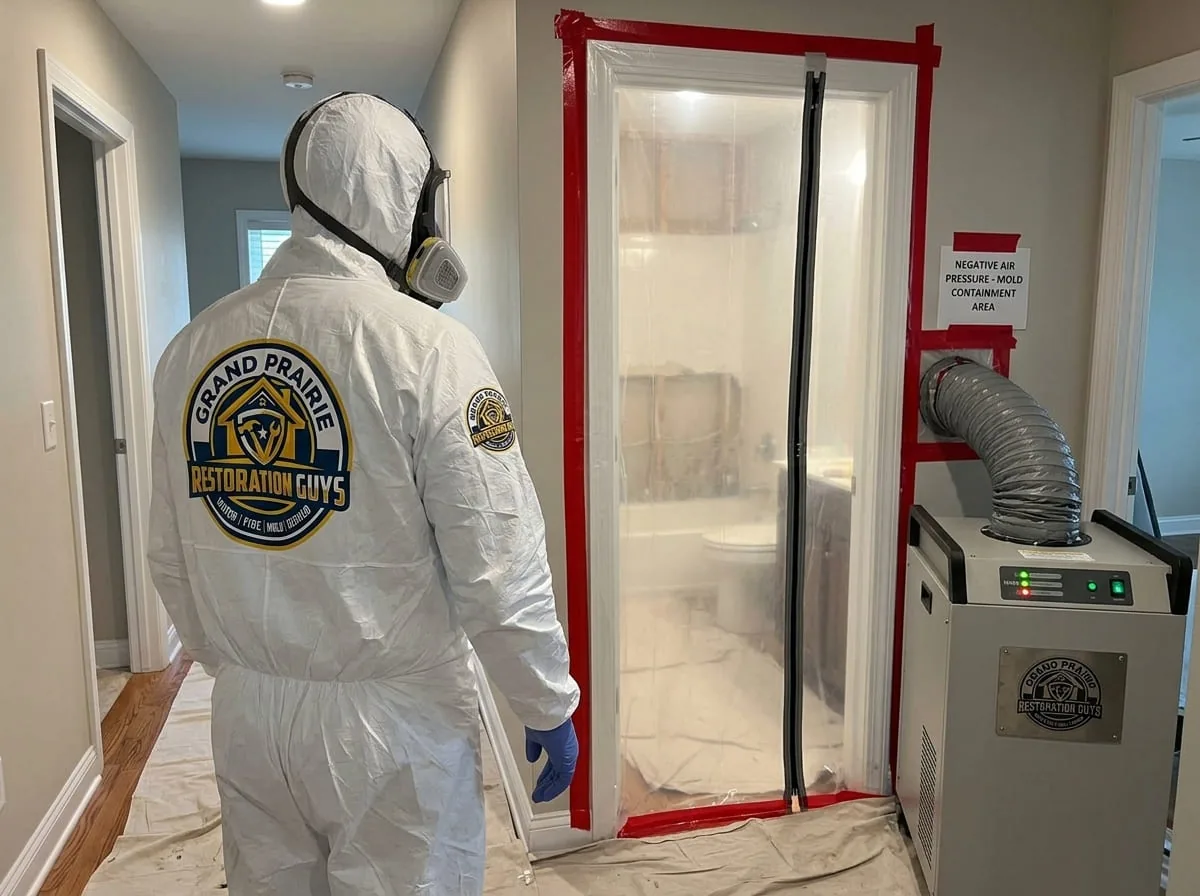
Clearance, more precisely post-remediation verification, is a check performed after remediation to confirm the area no longer shows the abnormal conditions that justified the work — visually, moisture-wise, and sometimes through follow-up sampling against the earlier baseline.
Not a Claim of Zero Spores
It confirms the specific problem has been resolved, not that a space contains zero mold spores — that's not a realistic standard, since mold spores are a normal part of ordinary indoor and outdoor air everywhere.
Who Should Perform Testing and Clearance
A widely recognized best practice in the industry is having testing and clearance performed by a party independent from the company doing the remediation, avoiding the conflict of interest in a company evaluating its own completed work. Many projects use a separate qualified assessor for inspection, sampling, and clearance, while the remediation crew handles the physical removal and cleaning work.
What to Expect From the Report
A thorough report typically includes what was inspected and where, any samples collected and the lab results, the reference comparison used, and a clear conclusion on whether the area passed. It's reasonable to ask for this in writing, and to ask questions if any part is unclear.
A Few Safety Notes
Don't rely on a consumer mold test kit as a substitute for a professional inspection if you have a genuine concern — these kits are prone to misleading results, since mold spores are naturally present in virtually all indoor air.
Don't Disturb Suspected Growth
Avoid disturbing visible mold — scrubbing, sanding, or agitating it — before an inspection if you can avoid it, since disturbing growth can release spores into the air and potentially affect sampling results.
How Testing Fits Into the Bigger Picture After Water Damage
Mold testing rarely happens in isolation — it's almost always tied to a water event that came before it, whether an obvious flood, a slow slab leak, or moisture unnoticed in a crawl space for months. Addressing visible mold without also fixing the moisture source behind it is a losing strategy — the mold will simply return. A thorough assessment typically identifies both the mold condition and its underlying moisture cause. See mold after water damage for how that connection is typically handled from the start.
Real Estate Transactions and Testing
Mold testing sometimes comes up specifically because of a home sale or purchase, where a buyer, seller, or lender wants documented, independent confirmation of a property's condition rather than a visual inspection alone. The independence of the testing party matters even more here, since results may be relied on by multiple parties with different interests. If mold testing is part of a transaction, it's worth confirming upfront who is engaging the assessor and who the report is for.
What a Reasonable Timeline Looks Like Start to Finish
The Typical Sequence
A typical sequence runs: initial inspection and any sampling needed, a remediation plan based on those findings, the actual remediation work, a waiting period to let the space reach normal conditions, then the post-remediation verification check. Each step depends on the one before it being done properly — rushing remediation before the assessment is complete tends to produce results that don't hold up.
What a Passed Clearance Really Confirms
A passed clearance check confirms the specific remediated area no longer shows the abnormal conditions found before the work — not that the entire building is free of mold spores everywhere, which isn't a realistic standard. This is why an accredited lab's independence matters more than the name on the report.
Frequently Asked Questions
Do I always need lab testing to prove I have a mold problem?
No — when mold is visibly present with an identifiable moisture source, a visual inspection is often enough to justify remediation without lab sampling. Testing is most valuable when growth isn't visible or when independent documentation is specifically required.
How long does mold testing usually take?
The inspection and sampling itself is typically quick, but lab analysis of collected samples generally takes a few days to return results, depending on the lab.
Can the same company that removed my mold also perform the clearance test?
It's generally considered better practice to have an independent third party handle testing and clearance, to avoid the conflict of interest inherent in a company verifying its own completed work.
What does it mean if my clearance test doesn't pass?
It means the follow-up assessment found conditions still elevated compared to the established reference baseline in the previously affected area, which typically means additional remediation work is needed before a re-test.
Are home mold test kits worth using before calling a professional?
They're generally not reliable for making a real decision, since mold spores are present in normal indoor air everywhere and a positive result on a consumer kit doesn't reliably distinguish a real problem from background levels. A professional inspection is a more accurate starting point if you're genuinely concerned.
How much does mold testing typically add to a remediation project's timeline?
Initial inspection and sampling typically adds a day or so before remediation begins, and post-remediation verification typically happens once the area has had time to normalize after the work is done — both are worth building into the overall project timeline rather than treated as an afterthought.