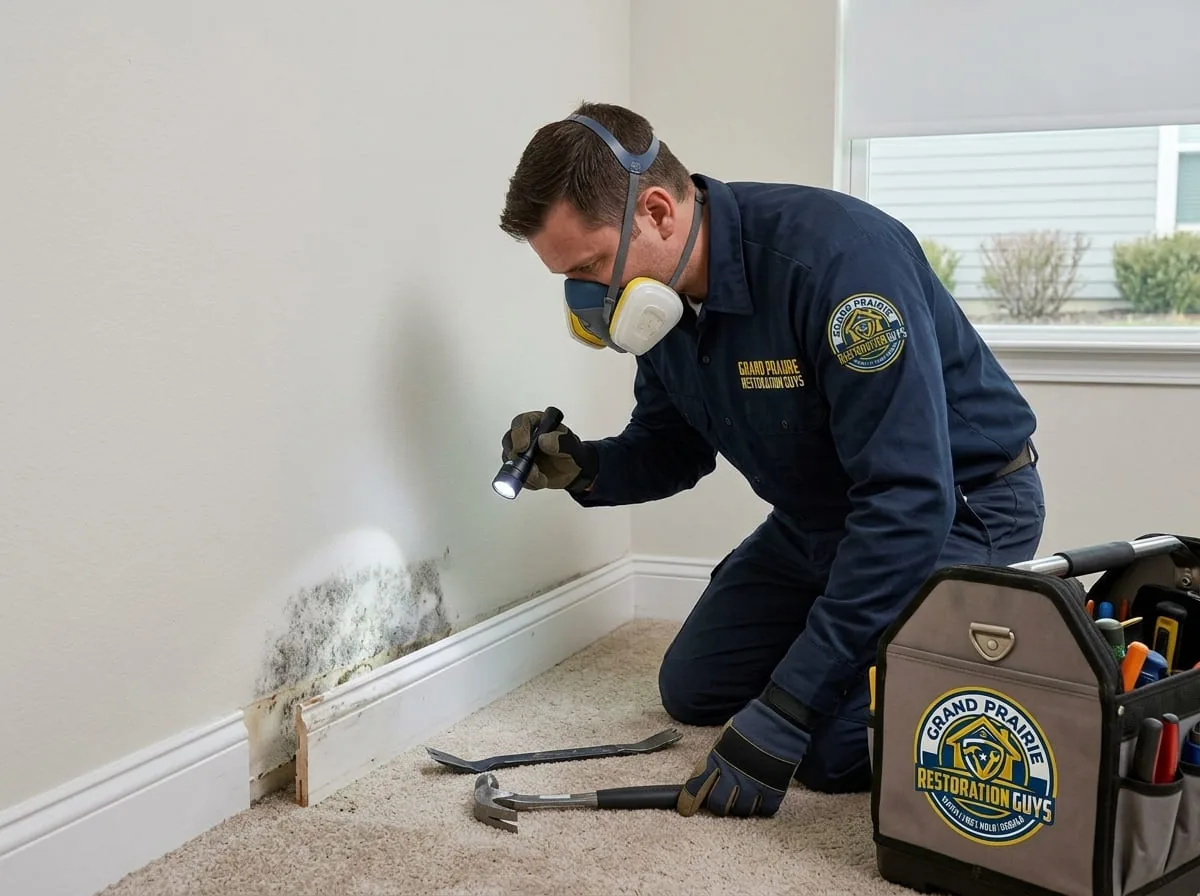
Finishing the physical remediation work isn't automatically the last step. Many projects include a verification stage afterward — sometimes called clearance testing — to confirm the work actually resolved the problem before the area is put back into use, walls are closed up, or flooring goes back down.
What Post-Remediation Verification Involves
Verification generally combines a few elements:
- A visual inspection to confirm no visible mold growth or residue remains
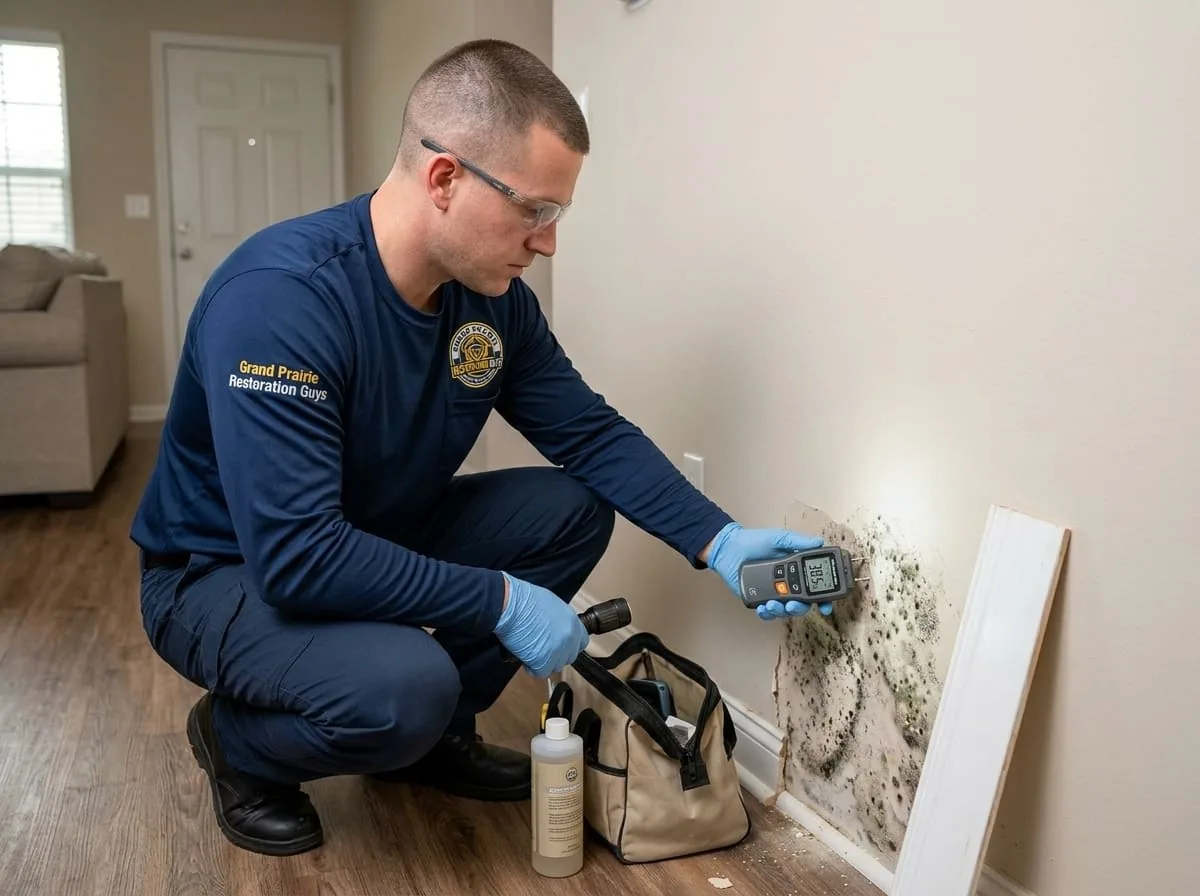
- Moisture readings confirming the affected materials and structure have returned to a normal, dry condition
- In many projects, particularly larger or more sensitive ones, a follow-up round of air or surface sampling
Where sampling is used, results are typically compared against the pre-remediation samples or an outdoor baseline, rather than a single fixed number that applies to every situation.
Why Independence Matters
Wherever practical, having verification performed or evaluated by a party independent of the remediation crew adds a useful check — the assessment of whether the job is finished isn't made solely by the team being paid to finish it. This is common-sense practice more than a fixed rule, and how it's structured varies with project size and complexity.
What Happens If Clearance Isn't Met
If a verification check turns up remaining moisture, visible mold, or sampling results that don't support clearance, the next step is going back into the area to address what was missed — more drying, material removal, or treatment — followed by another check. This isn't unusual on complex projects, and it's part of why the verification step exists.
Why This Step Matters for Insurance and Documentation
A documented clearance step gives you and your insurer a clear record that the project was actually completed and verified, not just performed. That documentation can matter later in a dispute, or simply for your own records when it's time to sell.
Residential and Commercial Clearance
The same basic principle applies to both — confirming the work is actually done before the space is reoccupied or closed up — though commercial projects, particularly larger ones or those involving multiple tenants, may have additional documentation requirements built into a lease or insurance policy.
What You Receive at the End
A completed verification step leaves you with a written record of what was checked, the moisture readings, and — where sampling was used — the lab results compared to the pre-remediation or outdoor baseline. That record is worth keeping for insurance purposes, a future real estate transaction, or peace of mind.
Frequently Asked Questions
Is clearance testing always necessary after mold remediation?
It depends on the size and nature of the project. A small, straightforward, visibly resolved issue may not need a separate testing round, while a larger project, one involving sensitive occupants, or one required for insurance or real estate purposes often includes it.
Who decides if a space has 'passed' clearance?
This is generally based on a combination of visual inspection, moisture readings, and — where used — sampling results evaluated against a pre-remediation or outdoor baseline. There isn't one universal number that applies to every property or situation.
How long after remediation does clearance testing happen?
It's typically done once the affected materials have had time to fully dry and any treated surfaces have cured, rather than immediately after physical work wraps up — timing varies by project.
What happens if I skip clearance testing?
You can still close up the space, but you'd be doing so without independent confirmation that the underlying problem was fully resolved, which can matter later for insurance, resale, or peace of mind.
Will I get paperwork showing the space passed clearance?
Yes, a written record of what was checked and the results is a normal part of a completed verification step, and it's worth keeping alongside your other project documentation.