Not every water issue is a true emergency, but plenty are: active flowing water, a dripping ceiling, rising water in a garage or first floor, or a sewage backup. When water is actively moving through a structure, response has to start within the hour, not the next business day.
Signs You Need Emergency Water Damage Restoration
- Water actively flowing from a pipe, fixture, or appliance that can't be shut off
- A ceiling that's sagging, bubbling, or dripping
- Standing water rising in a garage, first floor, or crawl space
- A sewage odor with backed-up drains or toilets
- Storm water entering through a roof, window, or foundation
Why the First Hours Matter
Clean water left sitting can start supporting mold within one to three days, a window that shrinks in Grand Prairie's hot, humid months. Drywall wicks water upward within minutes; hardwood can start cupping within hours. The longer extraction is delayed, the more materials cross from salvageable to replaceable.
What Happens When You Call
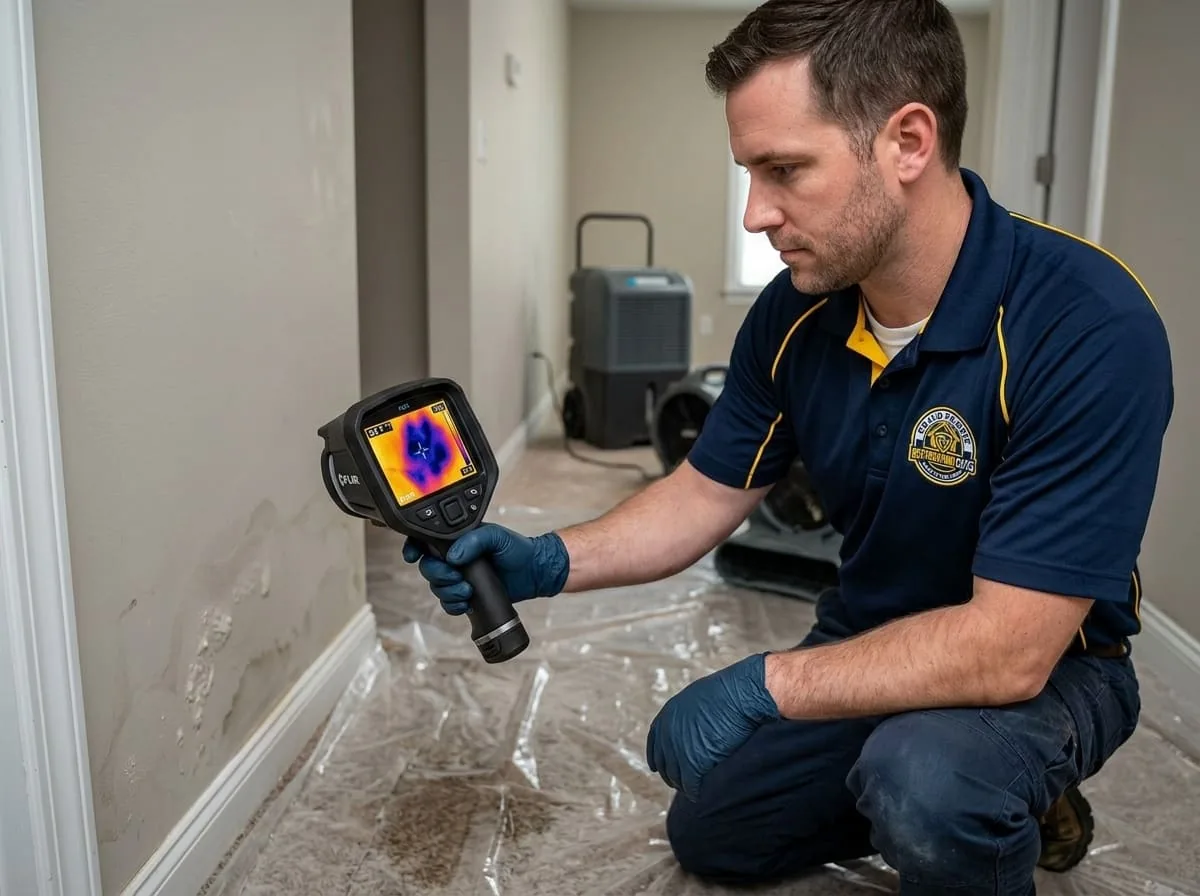
A call to (817) 618-7675 starts with phone triage: what's flowing, from where, and whether the area is safe. That determines what equipment gets dispatched. On arrival, a technician checks safety, confirms the source is stopped, and begins extraction while documenting the loss for insurance.
What to Do Before Help Arrives
- Shut off the water source at the fixture, appliance valve, or main shutoff if you can safely reach it
- Cut power at the breaker to circuits near standing water; never enter standing water if there's any doubt about electrical safety
- Move furniture, electronics, and valuables off wet flooring where possible
- Photograph the damage before anything is moved or cleaned up
What Not to Do
- Don't rely on a household shop-vac for more than a small amount of clean water — wet carpet and padding hold moisture a shop-vac can't reach
- Don't assume a small leak will dry on its own in Texas humidity
- Don't wait for insurance pre-approval before starting mitigation — most policies expect prompt action, and documentation happens alongside the work, not instead of it
Residential and Commercial Emergency Response
The same 24/7 dispatch applies to homes and businesses alike, though commercial calls often add coordination with property management or facilities staff, and sometimes after-hours access.
Frequently Asked Questions
Is a small water leak really an emergency?
It depends on whether the water is still active and where it's headed. A slow drip you've already stopped can usually wait for a scheduled visit; anything still flowing, or anything near electrical wiring, should be treated as urgent.
Do you respond at night and on weekends?
Yes. Emergency dispatch runs 24/7, including nights, weekends, and holidays.
What should I shut off before crews arrive?
The water source itself if you can reach it safely, and power at the breaker to any circuits near standing water. Don't enter standing water to do either if there's any doubt about electrical safety.
Will emergency mitigation costs be covered by insurance?
Most homeowners and commercial policies expect prompt mitigation to limit further damage, and restoration professionals document the work in the format adjusters typically need. Your specific coverage depends on your policy.