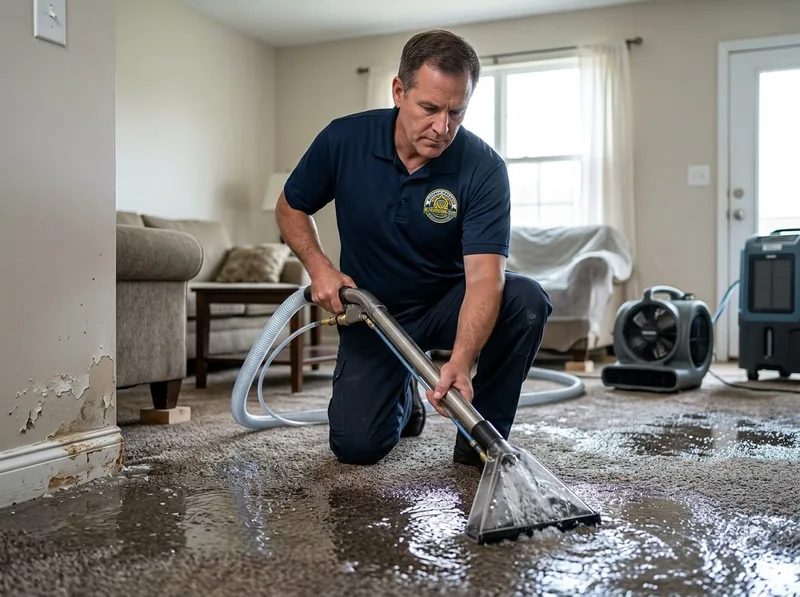
A sewage backup can come from a blocked main line, a broken sewer lateral, or a municipal system overwhelmed by heavy rain. Whatever the source, it's treated differently from other water damage because the health risk is different.
Signs of a Sewage Backup
- A strong, unmistakable foul odor
- Water or waste backing up from a floor drain, toilet, or shower drain
- Multiple fixtures backing up around the same time, a sign of a main-line issue rather than one fixture
Why Sewage Is Treated Differently (Category 3 Water)
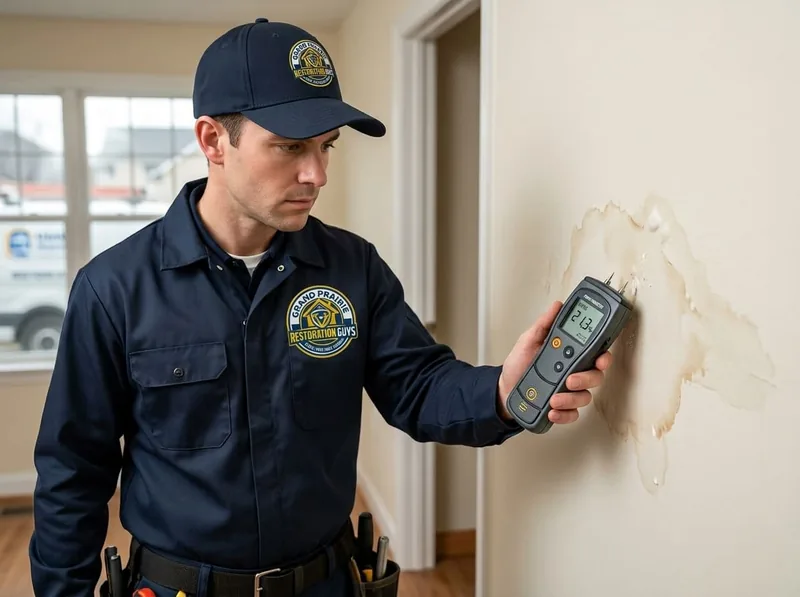
Sewage carries bacteria, viruses, and other pathogens plain water doesn't. Industry protocols classify it as category 3, the most contaminated tier, meaning technicians work in personal protective equipment and porous materials that contact raw sewage are generally discarded rather than cleaned.
Common Causes in Grand Prairie
Tree root intrusion into aging sewer laterals, ground movement from expansive clay soil, and municipal systems overwhelmed during heavy rain are recognized local causes. Any can turn a plumbing nuisance into a full sewage cleanup.
Health Risks of Delay
Bacterial contamination doesn't wait for a convenient schedule. The longer sewage sits, the further it spreads into subflooring and wall cavities, and mold can layer onto an already contaminated situation, especially in Grand Prairie's warm, humid climate.
The Sewage Cleanup Process
Cleanup starts with containing the area, then extraction in full PPE. Contaminated porous materials, carpet, padding, often drywall, are removed and disposed of rather than cleaned. Remaining surfaces are disinfected, the space dried and monitored, and an air quality check confirms it's safe before closeout.
What Can Be Saved
- Hard, non-porous surfaces — tile, sealed concrete, some hard flooring — can usually be cleaned and sanitized
- Porous materials with direct sewage contact — carpet, padding, upholstered furniture — are typically discarded regardless of appearance, since cleaning can't fully remove the contamination
Residential and Commercial Sewage Cleanup
Residential backups usually affect a bathroom, laundry room, or garage. Commercial sewage issues, especially in restaurants or multi-tenant buildings with shared plumbing, can affect multiple spaces and often need closer plumber coordination.
Before Crews Arrive: Safety Rules
- Stay out of the affected area entirely; don't attempt to clean sewage yourself
- Keep children and pets away until the area has been treated
- Avoid running washing machines, dishwashers, or other fixtures if the backup may be related to a main-line blockage
Frequently Asked Questions
Is it safe to clean up sewage myself?
No. Raw sewage carries bacteria and pathogens that require personal protective equipment and proper disposal methods to handle safely.
Will my homeowners insurance cover a sewage backup?
Coverage varies by policy; some require a separate sewer backup rider. Restoration professionals can document the loss for your claim, but you'll want to confirm coverage specifics with your insurer.
Can carpet be cleaned after sewage contact, or does it have to go?
Carpet and padding that had direct contact with raw sewage are typically discarded rather than cleaned, since contamination can remain even after visible cleaning.
What causes repeated sewage backups?
Recurring backups often point to tree root intrusion, a partially blocked or damaged sewer lateral, or ground movement affecting underground lines, worth having a plumber inspect the line itself.
How is sewage cleanup different from a regular water damage cleanup?
Sewage is classified as category 3 contaminated water, requiring PPE, disposal of affected porous materials, and disinfection protocols that a clean-water leak doesn't need.