Drywall is one of the most common casualties of a water event, and one of the most frequently over- or under-treated. Some dries out fine with the right equipment and timeline; some looks fine on the surface while quietly falling apart inside. The difference comes down to three factors: what kind of water it was, how long the drywall stayed wet, and how much got saturated.
It Starts With the Water Category
Clean water — a supply line break, an overflowing sink, a small appliance leak caught quickly — gives drywall the best odds of drying in place. Gray water, from a washing machine or dishwasher, carries more contamination and generally means a more conservative call.
Category 3 Water Is Different in Kind
Water contaminated by sewage or serious flooding is not a matter of degree: drywall that's absorbed it is generally not salvageable, since there's no practical way to fully sanitize the paper facing and gypsum core once contaminants have soaked in. This is a health and safety matter — it should be handled by professionals with appropriate protective equipment, not removed DIY.
The 24-48 Hour Window Is Real
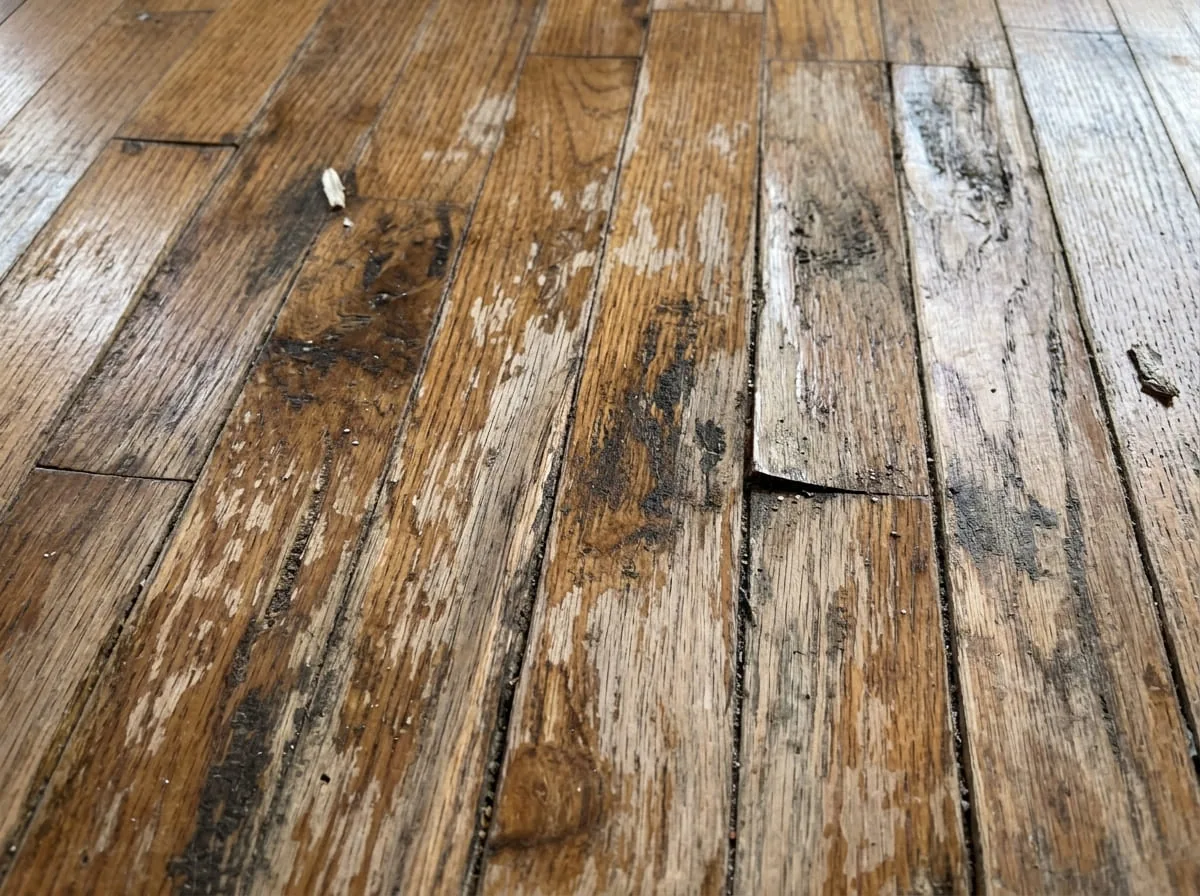
Drywall dried out within roughly the first day or two of exposure to clean water has a good chance of being saved. Past that window, the paper facing softens, the gypsum core loses structural integrity, and mold risk climbs quickly, especially in humid conditions. This isn't an arbitrary number — it reflects how quickly organic material can begin supporting mold growth once it stays wet.
Signs Drywall Can Likely Be Dried in Place
A few signs point toward drying in place:
- Clean-water exposure and a prompt response
- A moisture meter reading that's already declining
- A wall that's still structurally firm — no sagging or crumbling
- No visible mold growth
In these cases, drying in place with air movers and dehumidifiers — sometimes with small "weep holes" to let trapped water escape — is usually the right call, avoiding unnecessary demolition.
Signs Drywall Needs to Come Out
A few signs mean removal is the better path:
- Visible sagging or bulging
- A soft or crumbling texture when gently pressed
- Tape or seams that are separating
- Insulation behind the wall that's also saturated
- Any exposure to Category 2 or 3 water
- Drywall wet for more than about 48 hours
Removing wet drywall isn't a failure — it's often the faster, safer path, letting the cavity dry completely instead of drying through an intact wall.
Why Painted, Fine-Looking Drywall Can Still Be a Problem
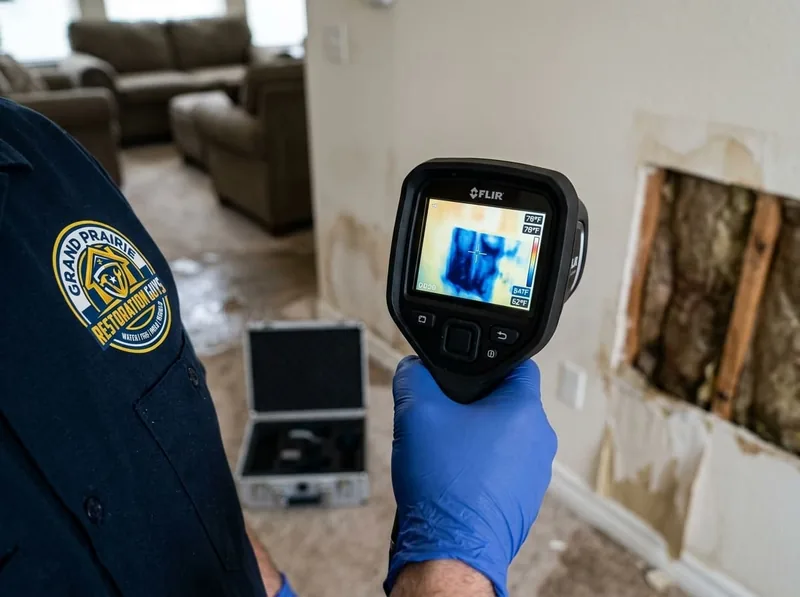
This is the trap most homeowners fall into: drywall can look normal — dry to the touch, no visible stain — while still holding significant moisture inside the gypsum core or cavity behind it. Paint and some primers slow moisture from evaporating through the surface, masking the problem rather than solving it. This is why professional moisture meters matter more than a visual check.
What About Mold You Can't See Yet?
Drywall's paper facing is an excellent food source for mold once it stays damp, and mold can develop behind a wall well before it's visible on the surface. If drywall has been wet for an extended period, or there's a musty odor without visible staining, that's a reasonable trigger for a closer look — see mold after water damage. Never sand, cut into, or disturb drywall you suspect has mold without protective equipment.
Ceilings Are a Different Calculation Than Walls
Wet ceiling drywall deserves extra caution beyond what applies to a wall. Gravity works against a saturated ceiling, and a section holding water can sag and fail without much warning once it's absorbed enough weight.
Treat a Sagging Ceiling as a Fall Hazard
If a ceiling shows a growing wet stain, sagging, or bubbling paint, stay out from underneath it and treat it as a fall hazard until a professional has assessed whether it's safe to work near, let alone salvageable.
A small drainage hole at the low point of a sagging, water-filled ceiling can sometimes relieve pressure and reduce the risk of an uncontrolled collapse, but this is a judgment call best left to someone experienced — done wrong, it can make a partial collapse worse.
Residential and Commercial Considerations Differ
In a home, the calculation around drying in place versus replacing drywall is mostly about cost, timeline, and the extent of the water event.
What's Different Commercially
Fire-rated drywall assemblies may need to be replaced regardless of water category, since their fire-resistance rating depends on the integrity of the original assembly. Commercial spaces with tenants also tend to favor a faster full-replacement approach, since extended drying-in-place work can mean extended disruption.
What About Insulation Behind the Drywall?
Most exterior walls and many interior walls have insulation behind them, and that matters just as much to the salvage decision.
Wet Insulation Usually Gets Replaced
Fiberglass batt insulation that's been saturated generally doesn't dry effectively in place and loses much of its value once compressed and wet, so it's typically removed even when the drywall itself might have been salvageable. Drying the drywall alone while leaving wet insulation in the cavity just means the wall stays a mold risk.
Textured and Popcorn Finishes
Textured or popcorn-finish drywall generally follows the same rules, though a heavily textured surface can occasionally trap moisture slightly longer than a smooth painted wall — something a professional assessment accounts for.
Frequently Asked Questions
Does all wet drywall need to be replaced?
No. Drywall exposed to clean water and dried within roughly 24-48 hours, with no structural softening, is often successfully dried in place rather than replaced.
Can I just cut out the wet section myself and patch it?
You can, for small, clearly clean-water sections you're comfortable with as a DIY repair. For anything involving contaminated water, a large area, or a wall you suspect has hidden moisture beyond what you can see, it's worth having a professional assess it first — cutting out a small visible section doesn't guarantee the moisture behind it is gone.
How can I tell if drywall has already started developing mold inside?
A persistent musty smell, discoloration that seems to be spreading, or a soft, slightly swollen feel to the wall are all signs worth having checked, even without visible mold on the surface.
Is it more expensive to dry drywall in place than to replace it?
It depends on the extent of damage. Drying in place avoids demolition, disposal, and repainting costs, but if too much has to be dried through an intact wall, it can take longer than simply removing and replacing the affected section.
Is drywall behind an electrical outlet a special concern?
Yes — wet drywall or insulation near outlets and switches is a shock and fire hazard on top of a material concern. Don't touch outlets or switches in a wet wall area, and mention it specifically to whoever assesses the damage.
How much of a wall usually has to come out if only the bottom foot is visibly damaged?
It depends on how far moisture actually traveled, not just how far staining is visible — this is exactly what a moisture reading is for. It's common for the actual wet area inside the cavity to extend somewhat beyond the visibly stained section, which is why the cut line for removal is based on readings, not a guess at the edge of the stain.